Importing Indian Spices and Rice into Australia: BICON and FSANZ Guide
-
 Kariyana King
- Posted on
- 0 comments


Short answer: before importing Indian spices, rice or flour into Australia, check the product’s conditions in BICON (the Department of Agriculture’s import conditions database), meet any biosecurity requirements such as an import permit or treatment, and make sure the food complies with the Australia New Zealand Food Standards Code. Imported food can also be referred for inspection and testing under the Imported Food Inspection Scheme.
This guide is for Australian importers, wholesalers and Indian grocery chains sourcing directly from an Indian manufacturer. It covers the two sets of rules that apply at the border and the documents your supplier should provide.
1. Two sets of rules: biosecurity and food safety
Australia checks imported food against two frameworks:
- Biosecurity, which protects Australian agriculture from pests and diseases. Plant products such as rice, whole spices and seeds can carry specific conditions.
- Food safety, under the Imported Food Control Act, which checks that food meets the Food Standards Code administered with FSANZ.
2. Check BICON for every product
BICON lists the import conditions for each commodity, including whether you need an import permit, a phytosanitary certificate, a manufacturer’s declaration or a treatment. Conditions differ between, for example, whole seeds and ground spices, so search each product separately. Rice and whole spices usually attract more conditions than processed, packaged foods.
3. Imported Food Inspection Scheme
Food entering Australia can be referred for inspection and testing. Some foods are classed as risk foods and are tested at a higher rate. Lot-wise certificates of analysis, clean labels and consistent batch coding help shipments move through quickly.
4. Labelling to the Food Standards Code
Retail packs need English labels showing the name of the food, net quantity in metric units, an ingredient list, allergen declarations, the name and business address of the Australian supplier, lot identification, date marking where required, and country of origin labelling. Many Indian grocery products sold in Australia use a country of origin statement such as “Made in India”.
5. Documents to request from your supplier
- Commercial invoice and packing list
- Bill of lading
- Certificate of origin
- Phytosanitary certificate where BICON requires one
- Manufacturer’s declarations or treatment certificates if listed in BICON
- Certificate of analysis for each product and lot
6. Packing that suits Australian buyers
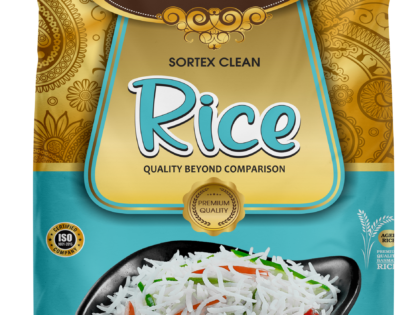
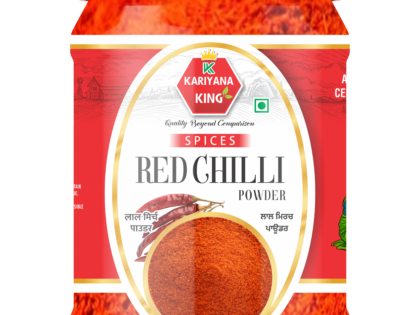
Australian grocery chains usually want clean, sealed packaging with no soil, seeds or plant debris outside the pack, since packaging and pallets are also inspected. We pack spices in sealed pouches and jars, and basmati rice in 1 kg to 30 kg bags. Tell us your pallet and packaging requirements when you request a quote.
How Kariyana King supports Australian importers
We manufacture and pack wholesale Indian groceries in Punjab and prepare documentation for FSANZ and Australian biosecurity requirements. Buyers can request sample kits before the first order, and we offer custom and private-label packing. See our Australia wholesale page or our New Zealand page for our trans-Tasman offer.
Frequently asked questions
Do I need an import permit for Indian spices?
It depends on the product. Some spices and seeds need a permit or treatment, while many processed, packaged products do not. BICON gives the current answer for each commodity.
Do the same rules apply in New Zealand?
New Zealand shares the Food Standards Code with Australia for most labelling rules, but has its own biosecurity and importer registration system run by MPI.
How do I get a price list?
Request a quote with your product list and volumes. We reply with prices, MOQs and lead times within 24 hours.
This guide is general information for buyers, not legal or regulatory advice. Confirm current requirements in BICON and the Department of Agriculture before shipping.