How to Import Indian Spices into the USA: FDA Checklist for Importers
-
 Kariyana King
- Posted on
- 0 comments

Short answer: to import Indian spices into the USA you need an FDA-registered foreign supplier, a Prior Notice filed before the shipment arrives, a U.S. importer who runs a Foreign Supplier Verification Program (FSVP), and labels that meet FDA rules. A good supplier prepares most of the paperwork on their side; the importer of record owns the U.S.-side obligations.
This checklist is written for grocery importers, distributors and retail chains buying wholesale spices from India. It covers what the FDA expects, which documents to ask your supplier for, and how to avoid the holds and refusals that slow down a first container.
1. Who is responsible for what
U.S. food imports split responsibility between the foreign manufacturer and the U.S. importer. Knowing the split helps you ask the right questions before you place an order.
- The Indian manufacturer registers its facility with the FDA, follows food safety controls, and supplies product specifications, certificates and test reports.
- The U.S. importer (the FSVP importer) verifies that the supplier produces food that meets U.S. safety standards, files or arranges Prior Notice, and handles customs entry through a broker.
2. FDA food facility registration
Any foreign facility that manufactures, processes, packs or holds food for U.S. consumption must be registered with the FDA and renew that registration every two years. Ask your supplier for their FDA registration number and compliance documents before the first order.
3. Prior Notice for every shipment
The FDA must receive Prior Notice of each food shipment before it arrives in the United States. Your customs broker usually files it. Shipments that arrive without valid Prior Notice can be held at the port, so confirm who is filing it when you book the container.
4. FSVP: the importer’s verification program
Under the Food Safety Modernization Act, most U.S. importers must maintain a Foreign Supplier Verification Program for each food and supplier. In practice, that means you keep a file showing you evaluated the hazards in the spice and the supplier’s controls. Typical supporting documents a supplier provides:
- Product specification sheets (moisture, ash, volatile oil, colour, mesh size)
- Certificate of analysis for each lot
- Microbiological test results, especially Salmonella, which the FDA watches closely in spices
- Pesticide residue and aflatoxin test reports where relevant (chilli, turmeric)
- Food safety certifications held by the facility
5. Labelling rules for retail packs
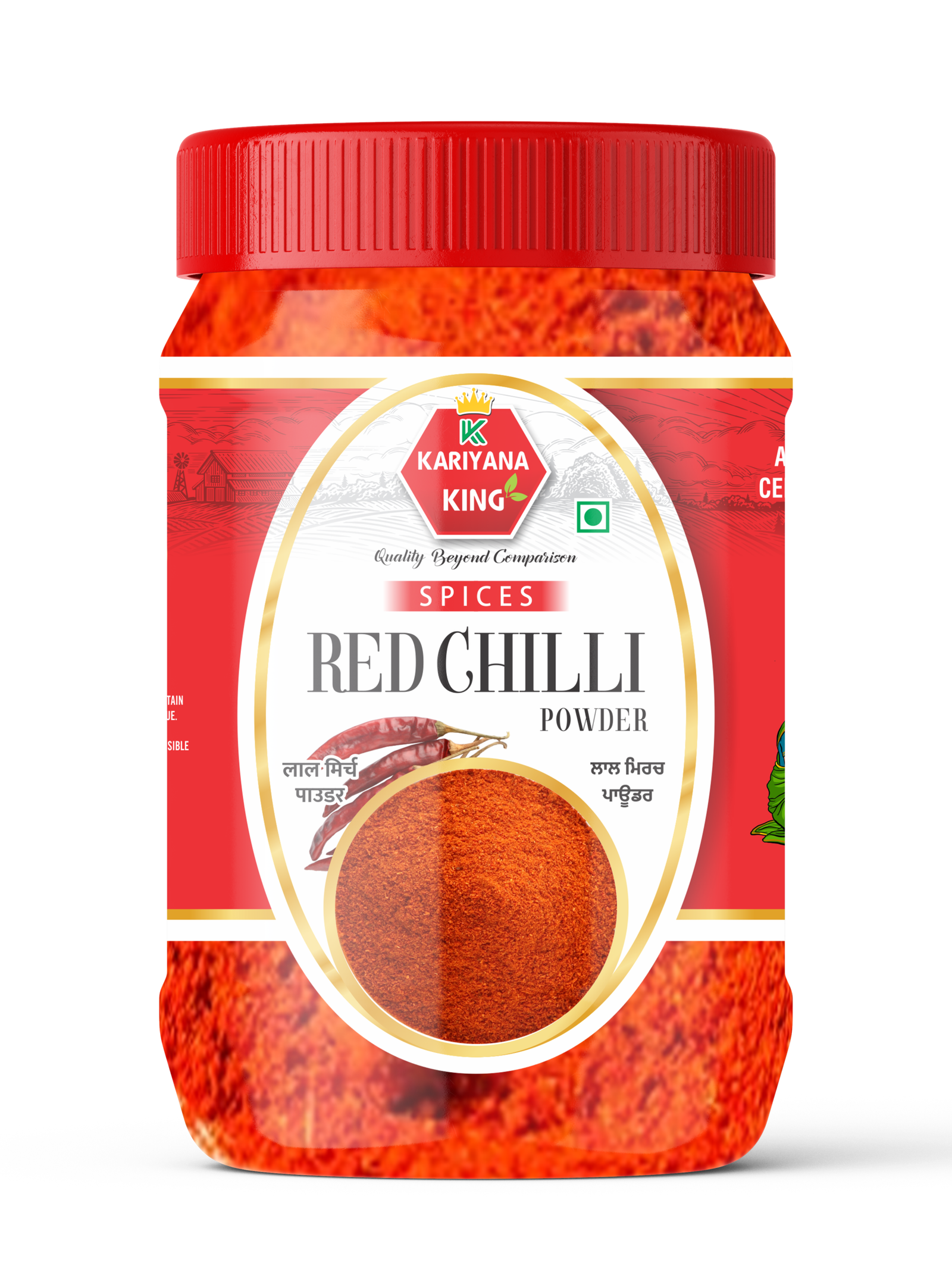
If you import retail pouches or jars, the labels must meet FDA requirements: a statement of identity, net quantity in both metric and U.S. units, an ingredient list, the name and address of the manufacturer, packer or distributor, allergen declarations where applicable, and country of origin. This is one reason our retail jars are packed in both 500 g and 1 lb formats for North American shelves.
Bulk and food-service packs (5 kg bags, 30 kg rice sacks) have lighter labelling needs, but the shipping documents must still identify the product clearly.
6. Export documents from India
For a smooth customs clearance, your supplier should send a complete set of shipping documents with each container:
- Commercial invoice and packing list
- Bill of lading
- Certificate of origin
- Phytosanitary certificate where required
- Certificate of analysis for each product and lot
7. Common reasons shipments get held
- Missing or incorrect Prior Notice
- Supplier not registered, or registration lapsed
- Labelling errors such as missing U.S. units or allergen statements
- Positive Salmonella results on sampling
- Colour additives or dyes not permitted in the U.S.
Most of these are avoidable with a supplier who tests every lot and packs to U.S. specifications from the start.
How Kariyana King supports U.S. importers
We manufacture and pack wholesale Indian spices, basmati rice and flours in Punjab and have already delivered full containers to California. For U.S. buyers we provide export documents with every shipment and retail or private-label packs, including 1 lb jars for American shelves. See our USA wholesale page for pack formats and lead times.
Frequently asked questions
Do I need an FDA licence to import spices?
There is no single FDA import licence for spices. The foreign facility must be FDA-registered, each shipment needs Prior Notice, and the U.S. importer must meet FSVP requirements. Your customs broker handles the entry itself.
Can I order a sample before a full container?
Yes. We send sample kits to new buyers so you can check quality, packing and labels before placing a bulk order.
What is the minimum order?
Minimum order quantities depend on the product and pack size. Request a quote and we reply with MOQs, prices and lead times within 24 hours.
This guide is general information for buyers, not legal or regulatory advice. Always confirm current requirements with the FDA and your licensed customs broker.