Importing Indian Spices and Basmati Rice into Canada: CFIA Guide
-
 Kariyana King
- Posted on
- 0 comments


Short answer: most businesses importing Indian spices, basmati rice or flour into Canada need a Safe Food for Canadians (SFC) licence from the CFIA, a preventive control plan, traceability records, and bilingual English and French labels on retail packs. Your Indian supplier provides the product documents; the Canadian importer holds the licence.
This guide is for Canadian grocery importers, distributors and South Asian retail chains planning to buy wholesale from an Indian manufacturer. It explains the CFIA framework in plain terms and lists the documents to request from your supplier.
1. The Safe Food for Canadians licence
Under the Safe Food for Canadians Regulations (SFCR), an importer of most foods needs an SFC licence issued by the Canadian Food Inspection Agency. The Canada Border Services Agency checks for a valid licence at entry for many food commodities. Apply through the CFIA’s online service before your first shipment, and give the licence number to your customs broker.
2. Preventive control plan and supplier checks
SFC licence holders must have preventive controls in place. For an importer, that includes showing that your foreign supplier makes food under controls that provide the same level of protection as Canadian rules. Keep a supplier file with:
- Product specifications and certificates of analysis for each lot
- Microbiological, pesticide residue and aflatoxin test reports where relevant
- Details of the supplier’s food safety system and certifications
- A record of any complaints, holds or recalls
3. Traceability
You must be able to trace food one step back (your supplier) and one step forward (your customers). Lot numbers printed on every bag, carton and sack make this simple. Ask your supplier to print a lot or batch code on every pack and match it to the certificate of analysis.
4. Labelling for the Canadian market
Retail packs sold in Canada need bilingual labels in English and French. Core elements include the common name, net quantity in metric units, a list of ingredients, allergen and gluten sources where applicable, the name and address of the Canadian dealer or the “Imported by / Importé par” statement, and country of origin for imported products. Nutrition facts tables apply to most prepackaged foods, with some exemptions for single-ingredient spices.
If you plan a private-label range, share your approved bilingual label copy and we pack pouches and jars under your brand at our packing unit.
5. Documents to request from your Indian supplier
- Commercial invoice and packing list
- Bill of lading
- Certificate of origin
- Phytosanitary certificate where the CFIA’s import requirements call for one
- Certificate of analysis for each product and lot
Check the CFIA’s Automated Import Reference System (AIRS) for the exact requirements for each product code before shipping.
6. Products that sell well in Canada
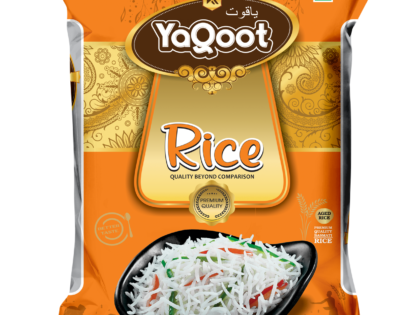
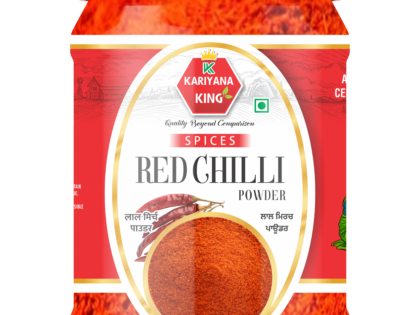
Canadian buyers of Indian groceries reorder a steady core range: basmati rice in 1 kg to 30 kg packs, ground spices and garam masala, atta, besan and sooji, and masala and elaichi tea. Ask us about combining products in one shipment when you request a quote.
How Kariyana King supports Canadian importers
We are a manufacturer and exporter in Punjab, India, supplying wholesale Indian groceries with documentation prepared for CFIA requirements. Shipments include origin and phytosanitary certificates where required, and we offer retail, food-service and private-label packing. See our Canada wholesale page for details.
Frequently asked questions
Do I need an SFC licence to import spices into Canada?
In most cases, yes. Importers of food intended for sale in Canada generally need an SFC licence. Check the CFIA licensing tool for your exact situation.
Can you pack under our own brand for Canada?
Yes. We offer custom and private-label packing. Send your label artwork with the English and French copy and importer details, and we pack to it.
How fast can I get a price?
Send a quote request with the products and volumes you need. We reply with prices, MOQs and lead times within 24 hours.
This guide is general information for buyers, not legal or regulatory advice. Confirm current requirements with the Canadian Food Inspection Agency and your customs broker.